
“But God is the judge: he putteth down one, and setteth up another.” – Psalm 75:7
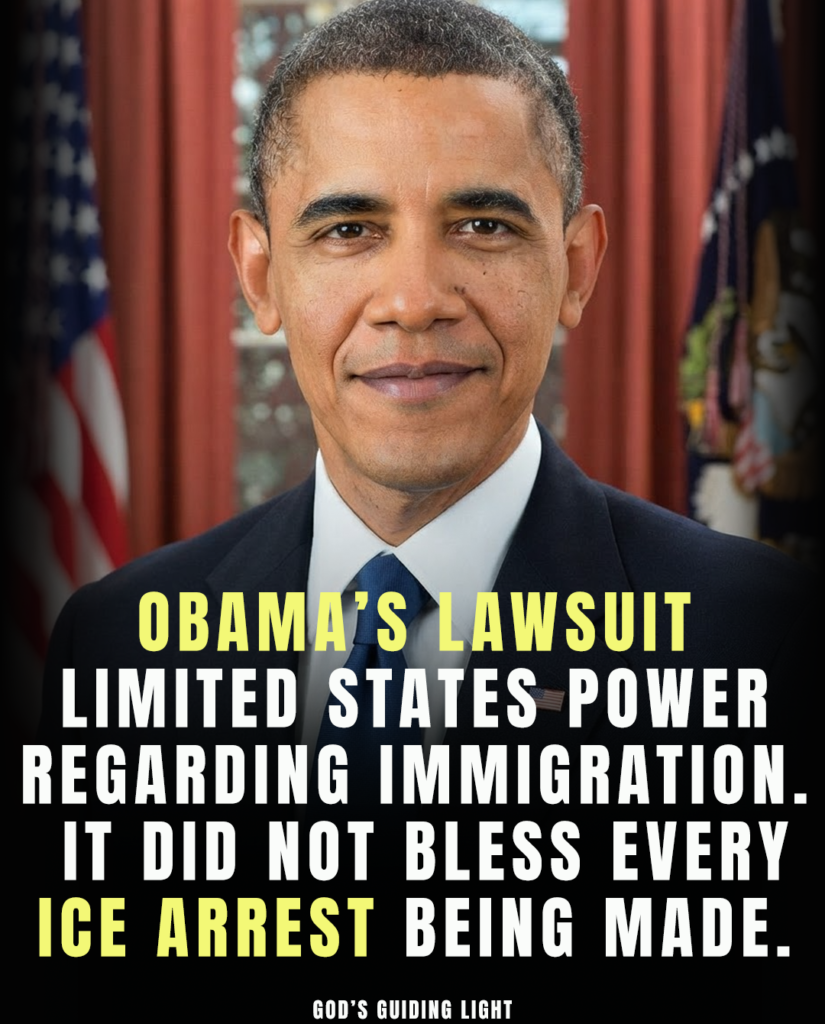
In 2010 Arizona passed S.B. 1070. The Obama Justice Department sued to block key parts before they took effect. In June 2012 the Supreme Court decided Arizona v. United States. Justice Anthony Kennedy wrote the 5-3 majority. Chief Justice Roberts joined the Court’s liberals. Justice Kagan sat out because she had worked on the case as solicitor general.
Three of the four challenged provisions died. Arizona could not make it a state crime to be in the country without papers. It could not make it a state crime for an unauthorized worker to look for a job. It could not give state and local officers a free-standing power to arrest someone without a warrant just because the officer thought the person was removable. The Court said Congress had already built a federal system for registration, employment rules, and removal, and that system includes federal discretion about whom to arrest and when.
One piece survived, at least on its face. Section 2(B) lets officers check immigration status with the federal government during an otherwise lawful stop, detention, or arrest, with limits against prolonged holds and against using race as the reason. The Court left the door open for later challenges if that check turned into racial profiling in practice.
In plain terms, the decision means this: the federal government, not a state legislature, sets the main rules on legal status, work authorization, and removal. A state cannot write a second immigration code that collides with those rules. That is preemption. It is not a ruling that every federal arrest is automatically lawful.
ICE’s arrest power comes from statutes Congress already wrote, chiefly the Immigration and Nationality Act. Officers can interrogate, serve administrative warrants, and in defined cases arrest without a judicial warrant if they have probable cause the person is removable and, under the statute, reason to think the person would flee. Courts in 2026 have already cut back some Trump-era courthouse arrest policies and questioned warrantless street arrests that skip the flight-risk step. Winning against Arizona in 2012 does not erase those limits.
Both parties flip the script when it is useful. Democrats cheered federal supremacy when Arizona tried to do more than Washington wanted. Republicans now treat the same supremacy as a green light for aggressive ICE operations, while some blue states try to restrict cooperation. The 2012 opinion cuts both ways. It blocks states from running their own deportation shop. It also leaves the federal government bound by the statutes and procedures Congress enacted, not by campaign slogans.